 THE MONACO GRAND PRIX LIBRARY BY ROY HULSBERGEN THE MONACO GRAND PRIX LIBRARY BY ROY HULSBERGEN |
||||||||||||||||||||||||||||||||||||||||||||||||||||||||||||||||||||||||||||||||||||||||||||||||||||||||||||||||||||||||||||||||||||||||||||||||||||||||||||||||||||||||||||||
  |
René Dreyfus |
|||||||||||||||||||||||||||||||||||||||||||||||||||||||||||||||||||||||||||||||||||||||||||||||||||||||||||||||||||||||||||||||||||||||||||||||||||||||||||||||||||||||||||||
“In racing the tragedies cannot be long dwelt upon by it’s participants at least. |
||||||||||||||||||||||||||||||||||||||||||||||||||||||||||||||||||||||||||||||||||||||||||||||||||||||||||||||||||||||||||||||||||||||||||||||||||||||||||||||||||||||||||||||
born: May 6, 1905 in Nice, France
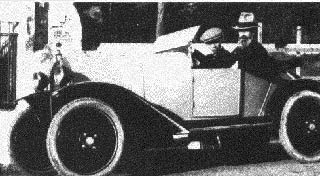
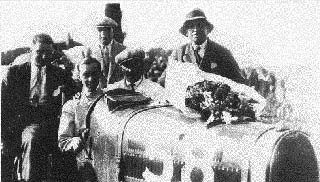
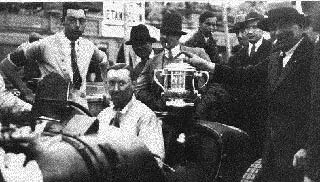
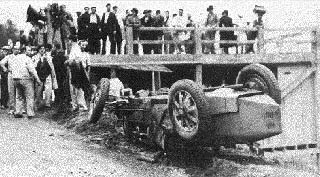
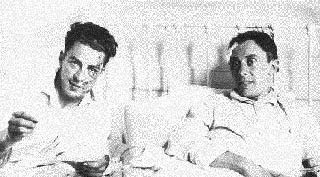
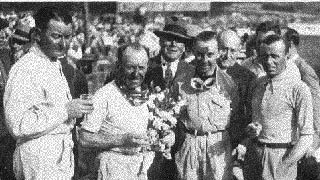
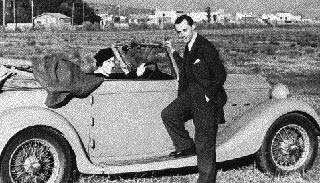
International celebrity, René Dreyfus was born in Nice in the South of France in 1905. His first taste of competitive motor racing was driving the family car, a Mathis, in local races in 1924. Dreyfus graduated to a Brescia Bugatti and continued entering races in the region. Driving a Bugatti 37A, René took part in the 1927 Targa Floria and racing the same car finished fifth overall in the 1929 Monaco Grand Prix and first in his class. The next year René arrived at Monaco with a private Bugatti 35B to take on the might of the Bugatti works team. In a moment of innovative genius, Dreyfus had the brilliant idea of installing a second petrol tank to avoid refuelling. The race turned out to be a thrilling duel between the Frenchman, Dreyfus and the local hero, Louis Chiron. Chiron was leading in the 90th lap when he had to stop to refuel, allowing Dreyfus to close the gap on him. With minutes to go René overtook Chiron, who was having accelerator trouble, to take the lead and win the race, Dreyfus passing the chequered flag without seeing it through his dirty goggles. In 1931 René Dreyfus drove for Maserati, finishing second in the Grand Prix at Reims, but he left them the following year to team up with his great friend and rival, Louis Chiron, racing one of his Bugatti Type 51's. After a bad accident at Comminges, Dreyfus ended up in hospital where he was joined by Wimille, who crashed the same day. It was the bravery of drivers like these which allowed motor racing to continue but Dreyfus for one knew of the dangers involved and the courage that was needed, saying, "Those who take part in racing cannot dwell for too long on it's tragedies or the sport would be finished". For the next two years he drove for the factory team at Bugatti, both testing cars and entering races. In 1935 René Dreyfus married Chou Chou Miraton.
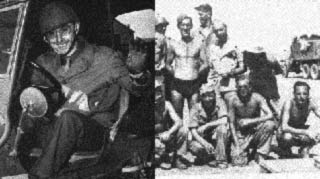
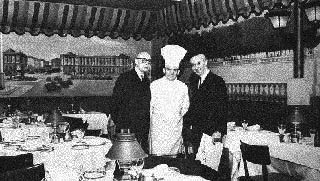
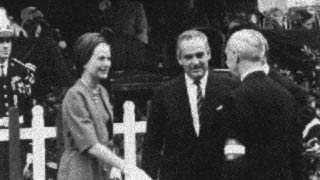
René Dreyfus was acclaimed as a national hero in 1938, when driving the Delahaye, he beat the Mercedes of Rudolf Caracciola into second place, to win the Grand Prix of Pau and become the Champion of France. When he received his call up papers in 1939, René joined the French Army. But in the interest of goodwill the French government sent him across the Atlantic to race in the Indianapolis 500. With money borrowed from friends Dreyfus opened a French restaurant which he ran successfully up until America entered the war; when he promptly enlisted and earned a passage to Europe with the liberating forces of the United States Army. René fought bravely and received a battlefield promotion during the invasion of Italy in 1943. He returned home to the South of France a true war hero. Post war René returned to America with his brother, Maurice a great character, to open another restaurant 'The Chanteclair' in New York City, but Dreyfus had motor sport in his veins and he carried on racing with his own Renault team until he took over the management of team Lotus in 1959. In 1980, Dreyfus retired at the age of seventy-five and returned to France to write his memoirs. René Dreyfus had lived life in the fast lane in more ways than one and had throughout his very full life become a hero to many. At the 50th anniversary of his 1930 Monaco Grand Prix victory, Dreyfus was the guest of honour and was officially received by Prince Rainier and Princess Grace. Driving in a Bugatti 35B, a close replica of his winning car, Dreyfus opened the race by completing the first lap. Out on the circuit, on his own in front of the huge crowds, René allowed himself to get carried away and almost pushed the car up to pre-war competition speed. That evening at the gala both Dreyfus' Bugatti and the winner of the day, Reutemann's Williams were on display; the contrasting chariots of the old and young gladiators. Surrounded by his friends, at the culmination of a long and very brilliant career, René Dreyfus was overwhelmed with emotion. “In racing the tragedies cannot be long dwelt upon by it’s participants at least. The sport would be finished otherwise” René Dreyfus
Reference: My Two Lives by René Dreyfus |
|
|||||||||||||||||||||||||||||||||||||||||||||||||||||||||||||||||||||||||||||||||||||||||||||||||||||||||||||||||||||||||||||||||||||||||||||||||||||||||||||||||||||||||||||
|
|
||||||||||||||||||||||||||||||||||||||||||||||||||||||||||||||||||||||||||||||||||||||||||||||||||||||||||||||||||||||||||||||||||||||||||||||||||||||||||||||||||||||||||||||
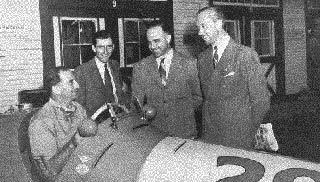
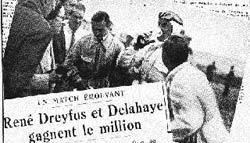 In 1937 Dreyfus became the star driver for Laury and Lucy Schell's Delahaye 'Ecurie Bleue' taking part in all the great races with them that year. As well as all the European Grand Prix's, the Delahaye Ecurie Bleue entered The Monte Carlo Rally, The Mille Miglia, The 24 hour Le Mans and the French government sponsored, Prix Du Million. Which René won, racing a specially prepared Delahaye V12, against the clock at Montlhéry; 200 km at an average speed of 146 km/h.